You just launched. You have 5,000 followers. Your bio says “the #1 jewelry brand for women.”
Your customer reads that line and knows it isn’t true. Nobody is #1 in their first year. Brand storytelling solves this problem. It replaces a claim people doubt with a reason people care.
Why does calling yourself #1 backfire?
Because your customer checks. According to BrightLocal’s 2026 survey, 97% of consumers read reviews before choosing a local business. 74% focus on reviews from the last three months.
So they compare your claim with what they see. A small following. A few reviews. A brand that launched last spring. The gap between the two kills trust.
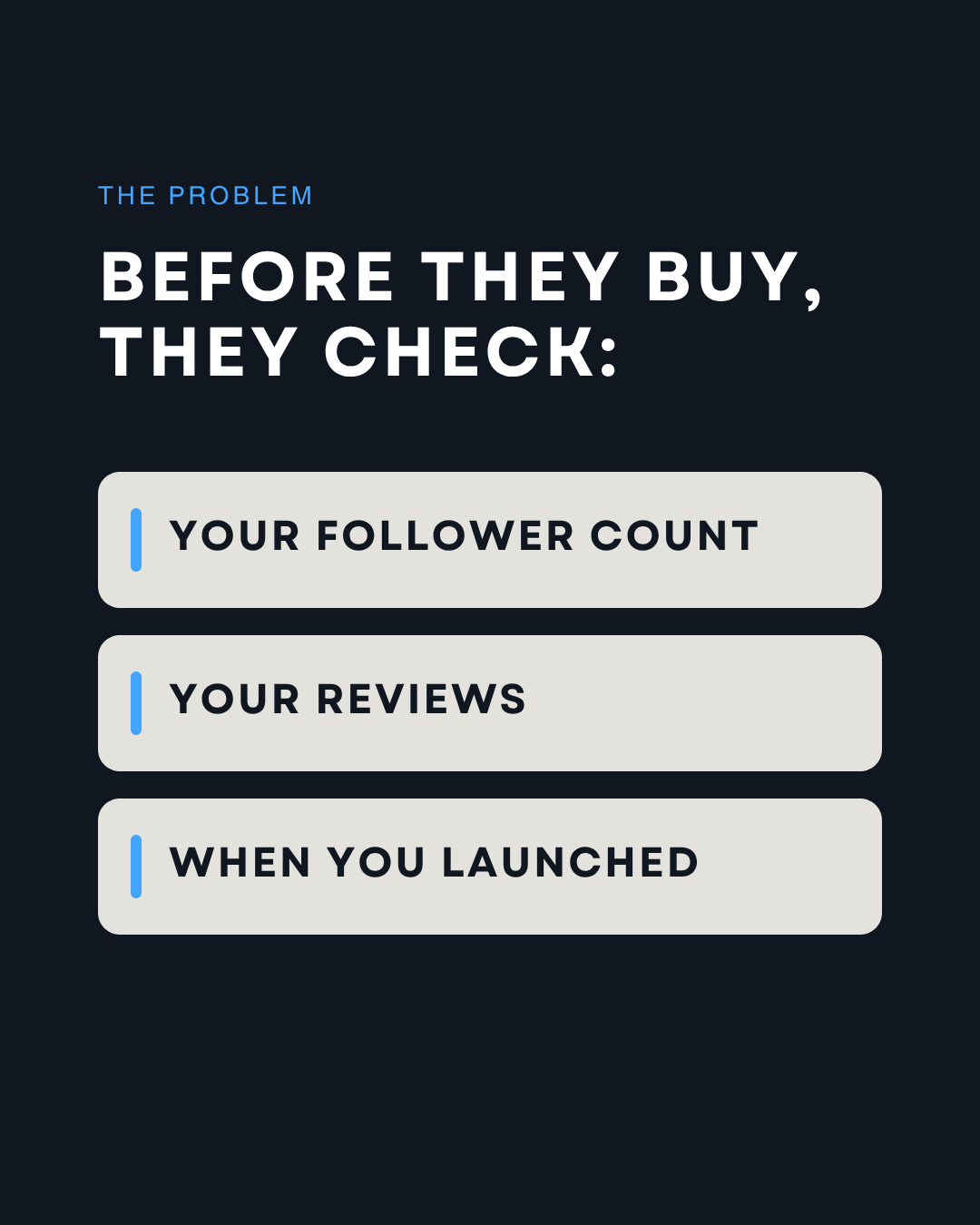
Self promotion also carries the least weight. In Edelman’s 2026 Trust and Brands report, 41% of people say unpaid voices shape their trust the most. Only 20% say the same about a brand’s own promotion. Yet 88% call trust an important or critical reason to buy.
There is a legal side too. In the US, “#1” is not harmless hype. The National Advertising Division treats it as a measurable claim that needs proof. In September 2026, it asked baby monitor brand Nanit to stop saying “#1 most loved” and “internet’s favorite.” Its Amazon reviews were not enough proof. And since October 2024, the FTC rule on fake reviews also bans buying fake followers to look bigger.
One bio line is not worth that risk.
What is brand storytelling, really?
Brand storytelling is not a long About page. It is not a dramatic video either.
It is the reason your brand exists, told in plain words. Where you started, what you noticed, and what you decided to do about it.
A title can be copied by anyone. Your story cannot. That is why it works.
How do you write your brand story?
Answer three questions. Keep each answer to one or two sentences.
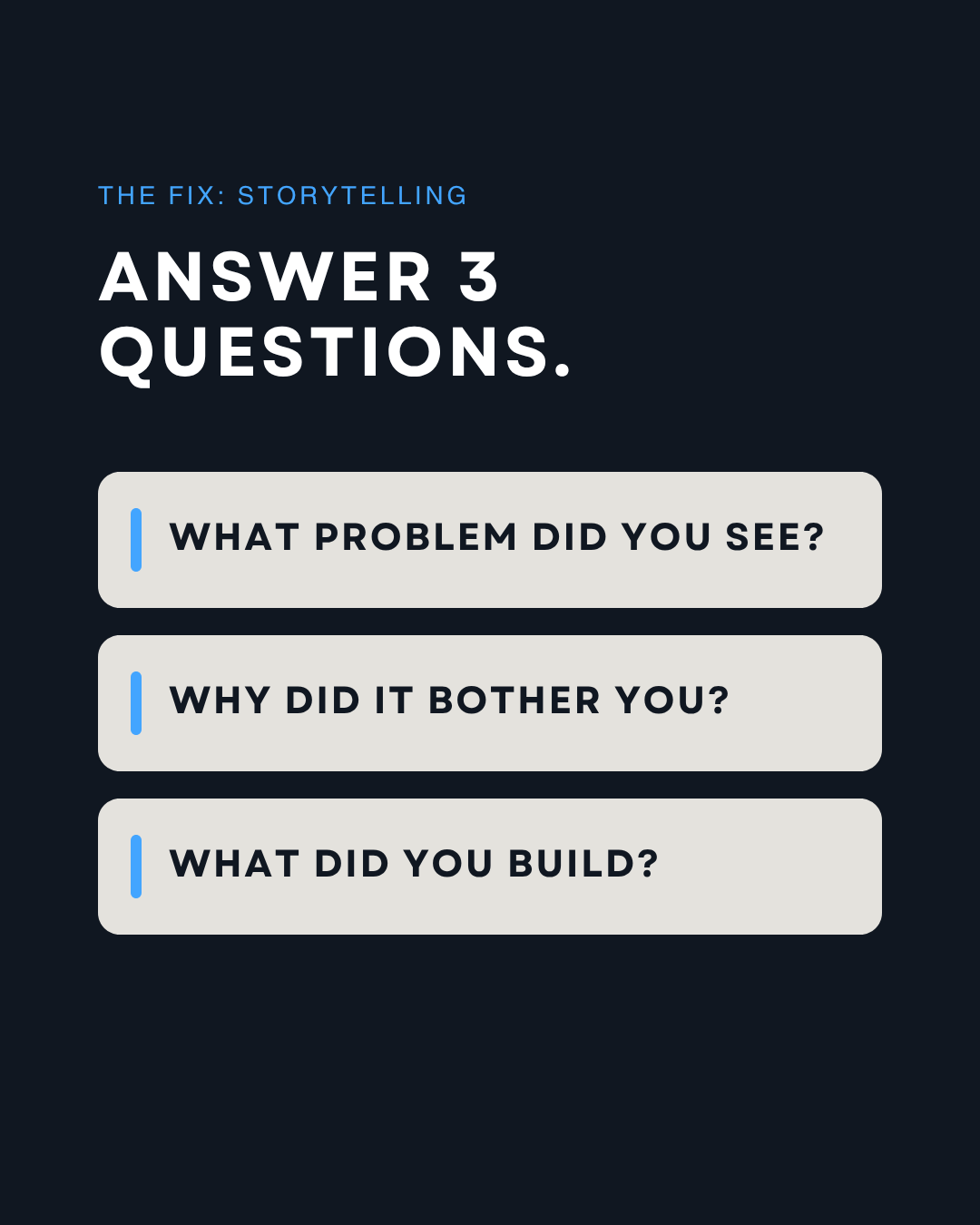
What problem did you see?
Start with the moment you noticed something was wrong. A product that broke too fast. A service that ignored people like you. Be specific.
Why did it bother you?
This is the part people connect with. It shows your values without listing them. Maybe it was personal. Maybe you were the customer who got let down.
What did you build?
Now explain what you made in response. Not features. The change it brings to someone’s day.
Read your three answers out loud. If they sound like something you would tell a friend, you have your brand story.
What does a good brand story look like?
Here is the same jewelry brand, written two ways.
Before: “The #1 jewelry brand for women.”
Anyone can write this. Nobody believes it.
After: “Every piece I found felt mass made. So I started making my own.”
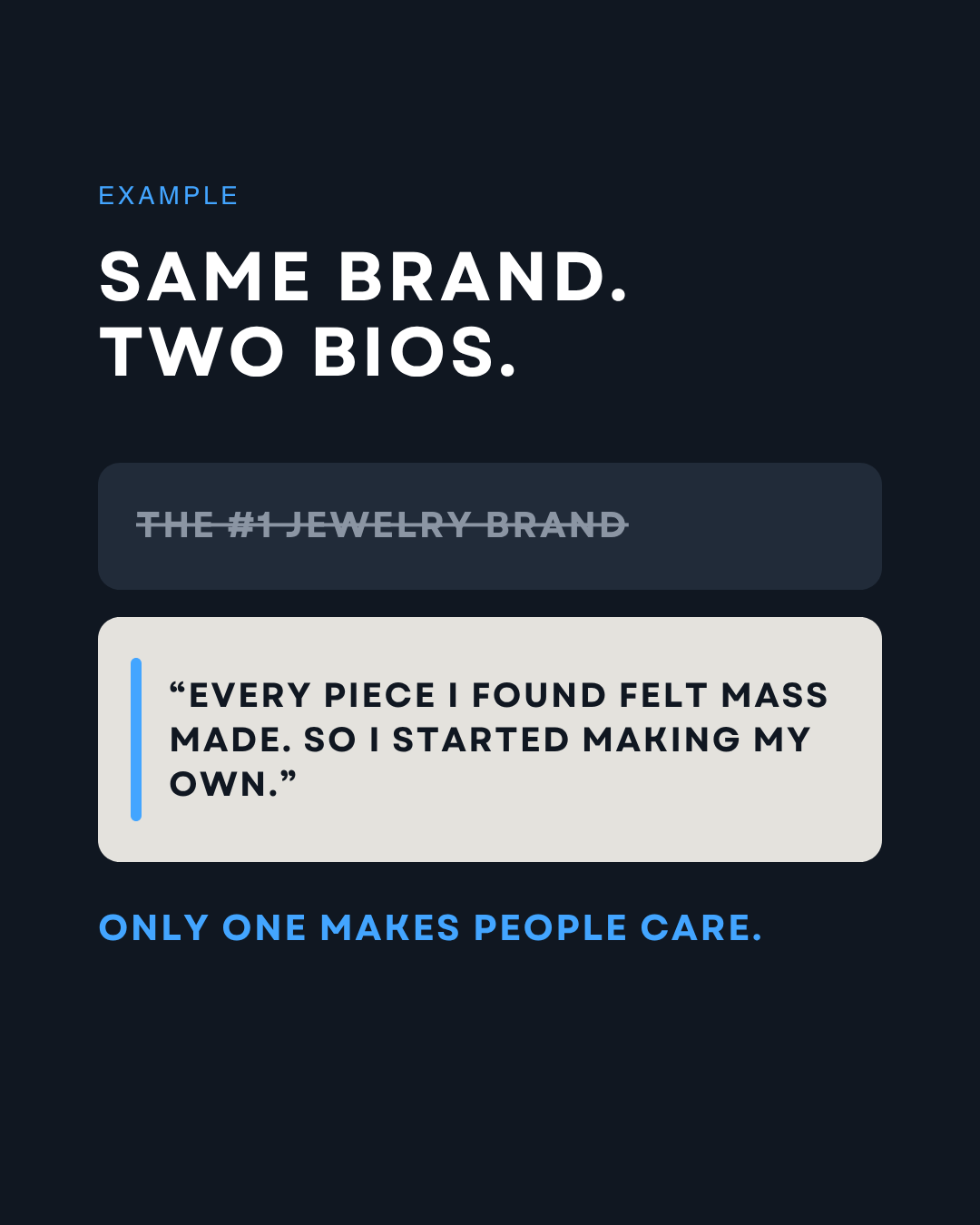
This version is short and specific. It explains why the brand exists. It also makes the customer feel something the first line never could.
Where should you use your brand story?
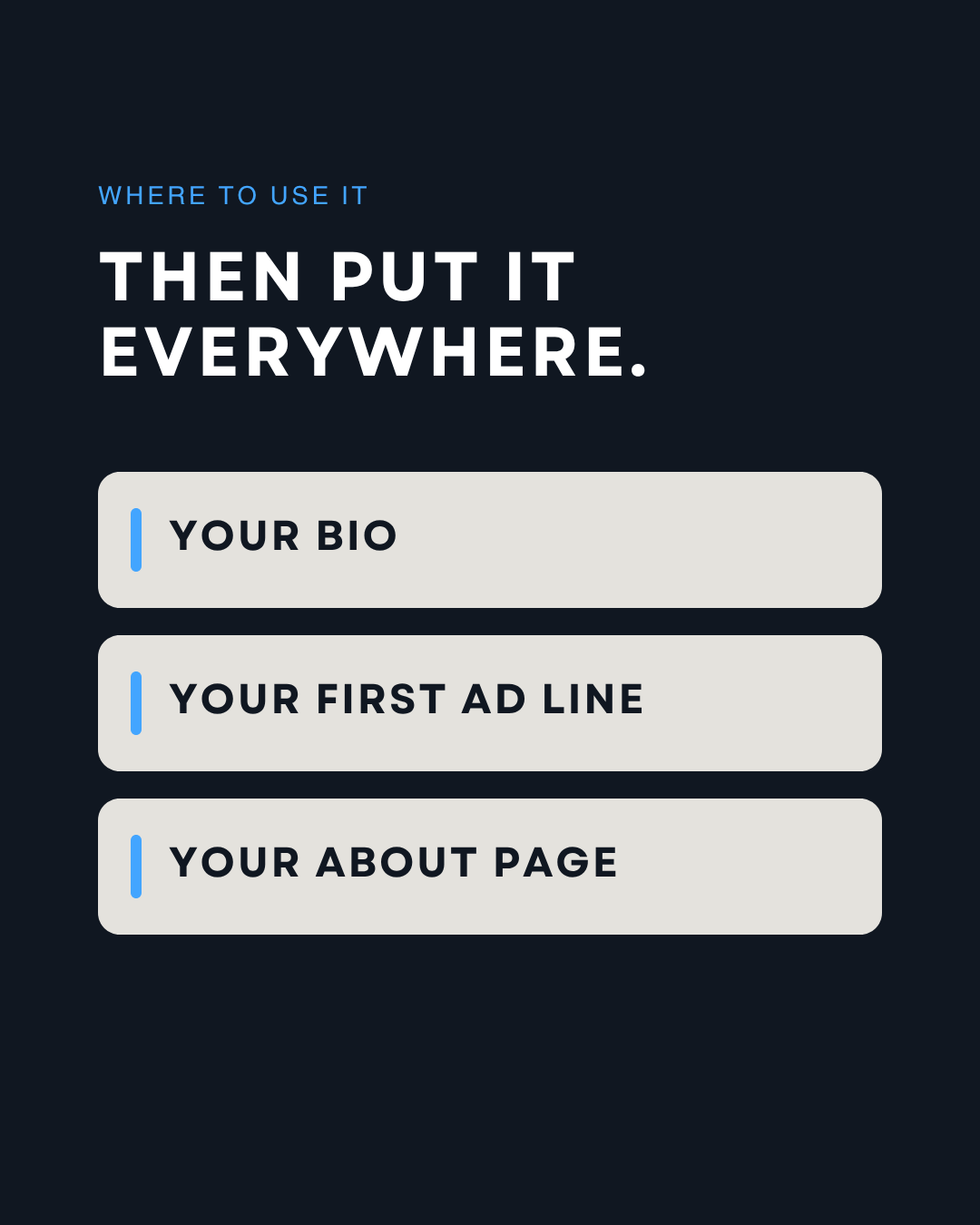
Once it is written, use it everywhere people meet you:
- Your bio. Instagram, TikTok, LinkedIn. It is the first thing people read.
- Your first ad line. The opening sentence decides if people keep reading.
- Your About page. Lead with the story, then add the details.
- Your product pages and packaging. One line is enough.
Then back it up with proof. Show your process. Share real reviews, with the customer’s permission. You do not need to show your face to do any of this.
What if your brand really is #1?
Then prove it. Name the category, the source and the date.
“Rated 4.9 on Google from 312 reviews” beats “#1 in the city.” A specific fact earns trust. A vague title raises doubt.
Start with one sentence
Want a second pair of eyes on yours? At 33 Genesis Road, we offer a free brand audit. Request it through our contact page, or message us on LinkedIn or Instagram. For more lessons like this one, join our free weekly newsletter. You can also see how we build brands on our services page.
Sources: BrightLocal Local Consumer Review Survey 2026; Edelman Trust Barometer Special Report: Trust and Brands 2026; BBB National Programs, NAD decision on Nanit (September 1, 2026); FTC Consumer Reviews and Testimonials Rule (effective October 21, 2024).
You do not need a rebrand to use brand storytelling. You need one honest sentence that explains why you exist.