AI-Generated Fake IDs: The Growing Threat and How to Fight Back
Picture this :
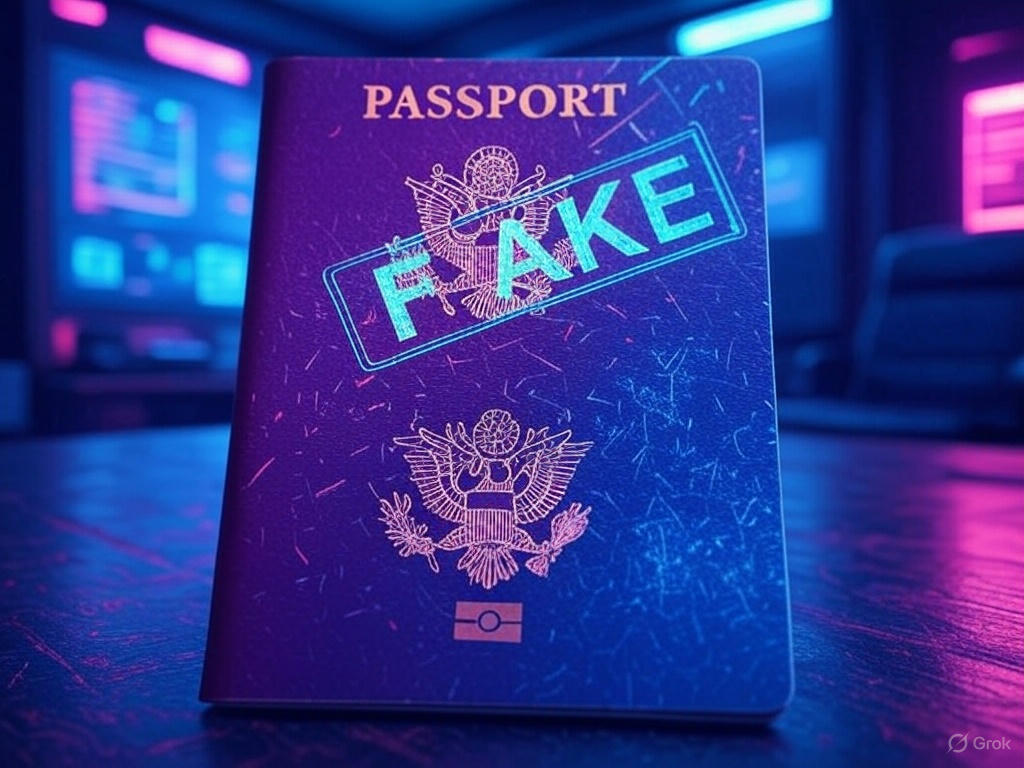
Someone crafts a fake passport in five minutes, good enough to trick a bank’s verification system. Or they whip up a counterfeit Aadhaar card to access government benefits. This isn’t a heist movie—it’s happening now, thanks to AI tools like ChatGPT-4o. In April 2025, Polish researcher Borys Musielak stunned the tech world by generating a fake passport that passed automated Know-Your-Customer (KYC) checks on financial platforms. He did it in minutes, sharing his findings on LinkedIn and exposing how fragile these systems can be. Around the same time, reports surfaced in India of ChatGPT creating fake Aadhaar and PAN cards, sparking panic in a country where over a billion people rely on digital IDs.
The risks are massive.
Fake IDs open the door to financial fraud, identity theft, and unauthorized access to sensitive services. Musielak’s passport fooled platforms handling millions in transactions, while India’s fake Aadhaar cards could let fraudsters snag loans or subsidies. X posts have been buzzing, with users pointing out that 80% of KYC checks rely on automated systems vulnerable to AI-generated images. In India, where Aadhaar is a cornerstone of banking and welfare, the stakes are sky-high. The speed of these attacks—minutes, not days—means fraudsters can scale up fast, hitting businesses and individuals before anyone catches on.
Why is this happening ?
Tools like ChatGPT-4o can now generate hyper-realistic images, from passports to driver’s licenses, that mimic official documents down to the fonts and holograms. Automated KYC systems, designed to spot fakes, often can’t keep up. A post on X noted that many platforms still rely on static photo checks, which AI easily bypasses. In India, the problem’s worse because Aadhaar’s widespread use makes it a prime target. The Indian Express reported cases of fake Aadhaar cards being used to open bank accounts, while The Times of India flagged concerns about PAN card fraud. These aren’t just tech experiments—they’re real threats costing millions.
So, what can be done?
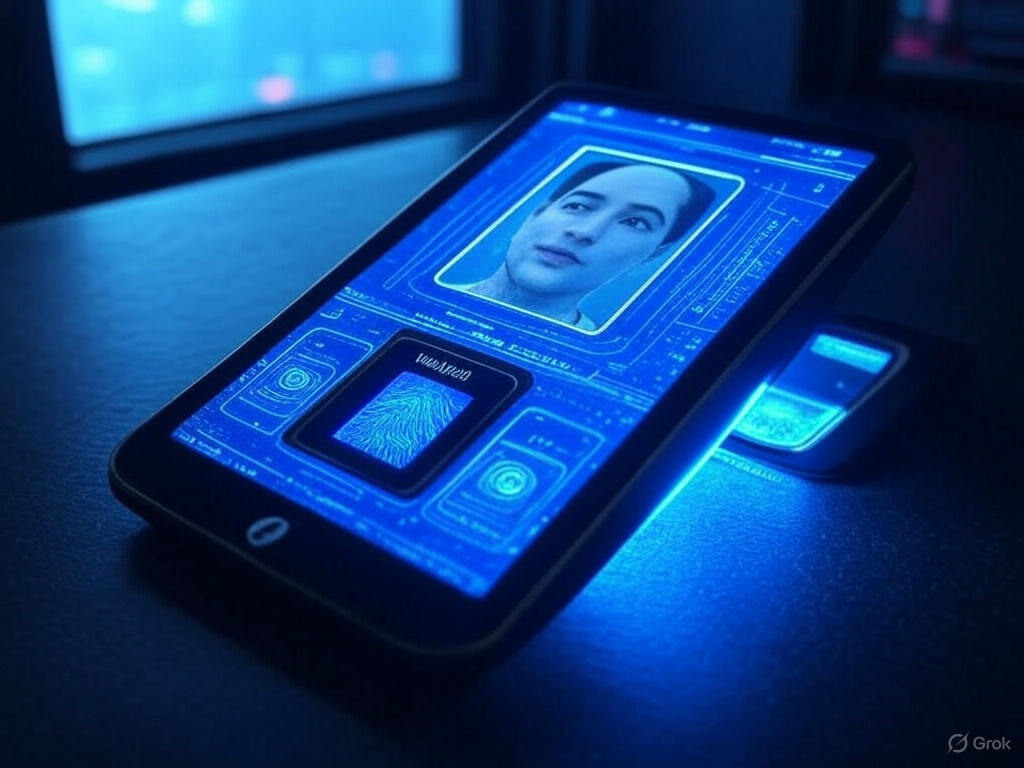
Experts are pushing hard for multi-factor verification. Combining photo IDs with biometrics like fingerprint scans or live video selfies makes it tougher for AI to sneak through. Some platforms are already rolling out these upgrades, with Biometric Update reporting that KYC providers patched vulnerabilities after Musielak’s demo. In India, the Unique Identification Authority (UIDAI) is tightening Aadhaar security with stronger encryption and random manual audits. Blockchain-based IDs are another idea gaining traction, as they’re nearly impossible to forge. X users have floated this as a long-term fix, with one post suggesting decentralized IDs could replace vulnerable systems by 2030.
Businesses need to act fast.
If you’re running a company, auditing your verification processes doesn’t rely on photo-only checks. Invest in AI detection tools that spot generated images, which some KYC platforms are now deploying. For individuals, be cautious about sharing ID details online and push for platforms to use biometrics. Governments, especially in India, are under pressure to overhaul digital ID systems. UIDAI’s recent moves, like limiting Aadhaar data access, are a start, but more needs to happen to stay ahead of AI.
This isn’t just a tech problem, it’s a wake-up call. AI’s moving at lightning speed, and fraudsters are keeping pace. But with smarter verification, better tech, and a bit of vigilance, we can close the gaps. Check your systems, demand stronger security, and don’t let a fake ID slip through.